
It is not entirely incorrect to believe that you are the centre of the universe. The universe is constantly expanding in every direction at an equal rate. This means that if you stand at any point, you will find that the universe is expanding around that point as fast as it is expanding around a different point elsewhere. So according to Cosmological Theorem, the world does revolve around you or your point of view. On first looking up Giggs Kgole for a write-up, I had the distinct sense that he believed himself to be the centre of all art. As I dug through interviews and ploughed through articles looking for his essence, I found a young man so sure of himself it felt uncomfortable.
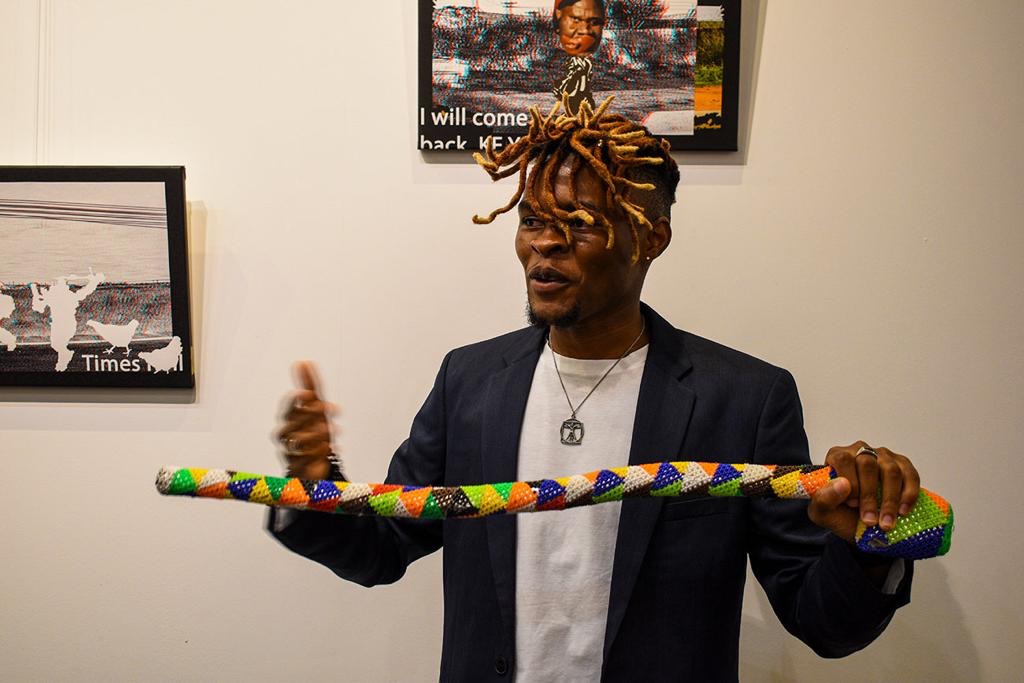
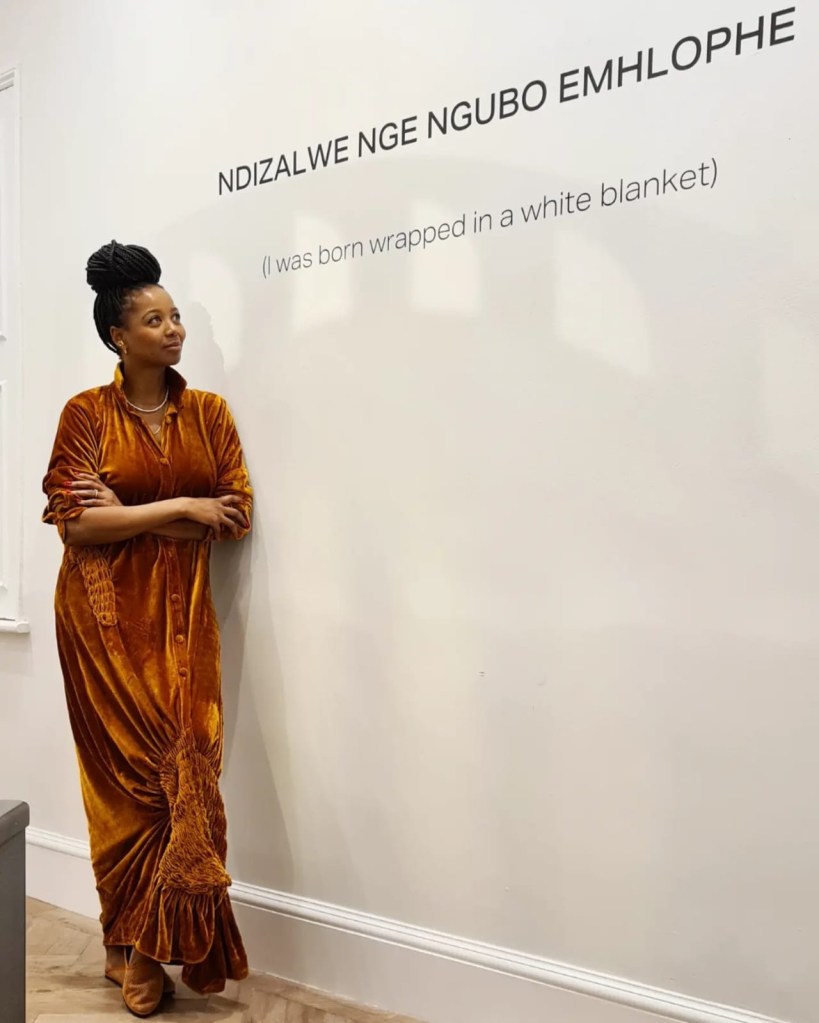
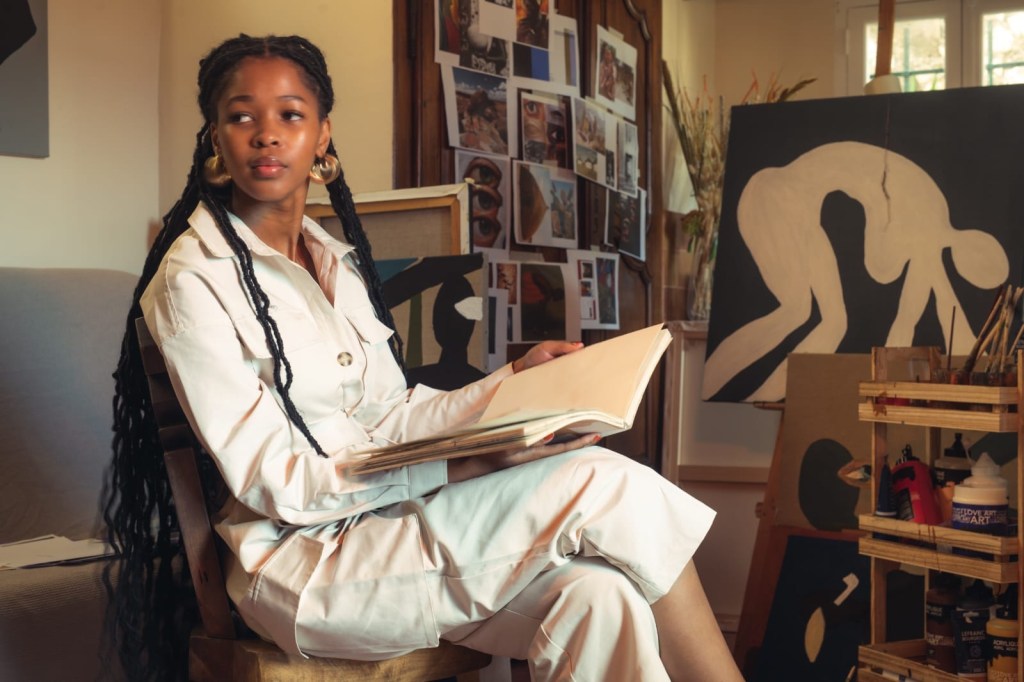
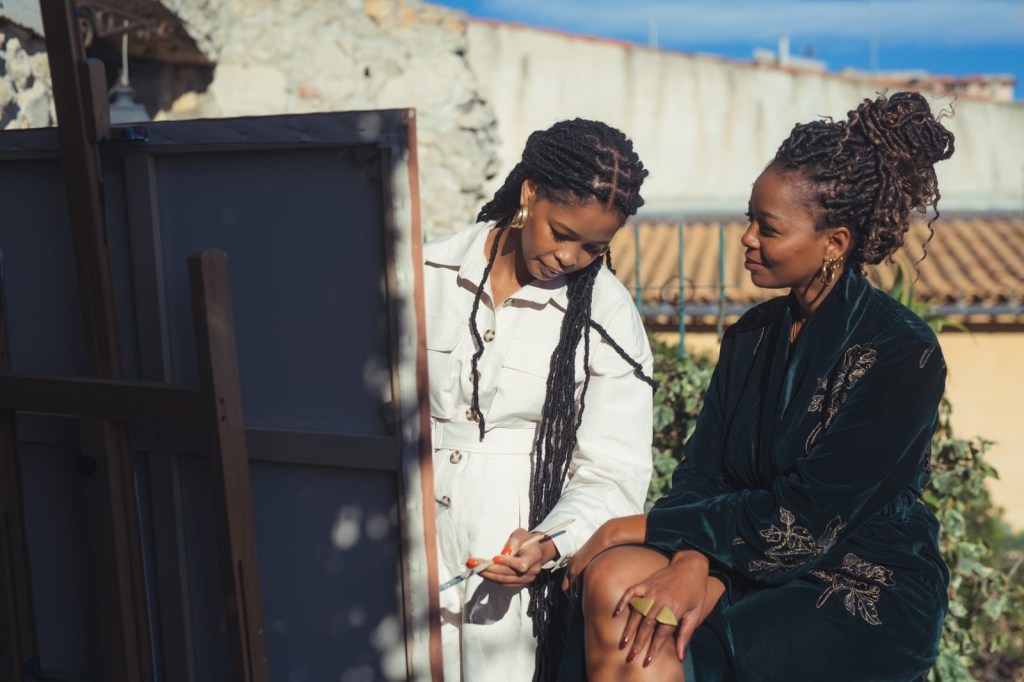
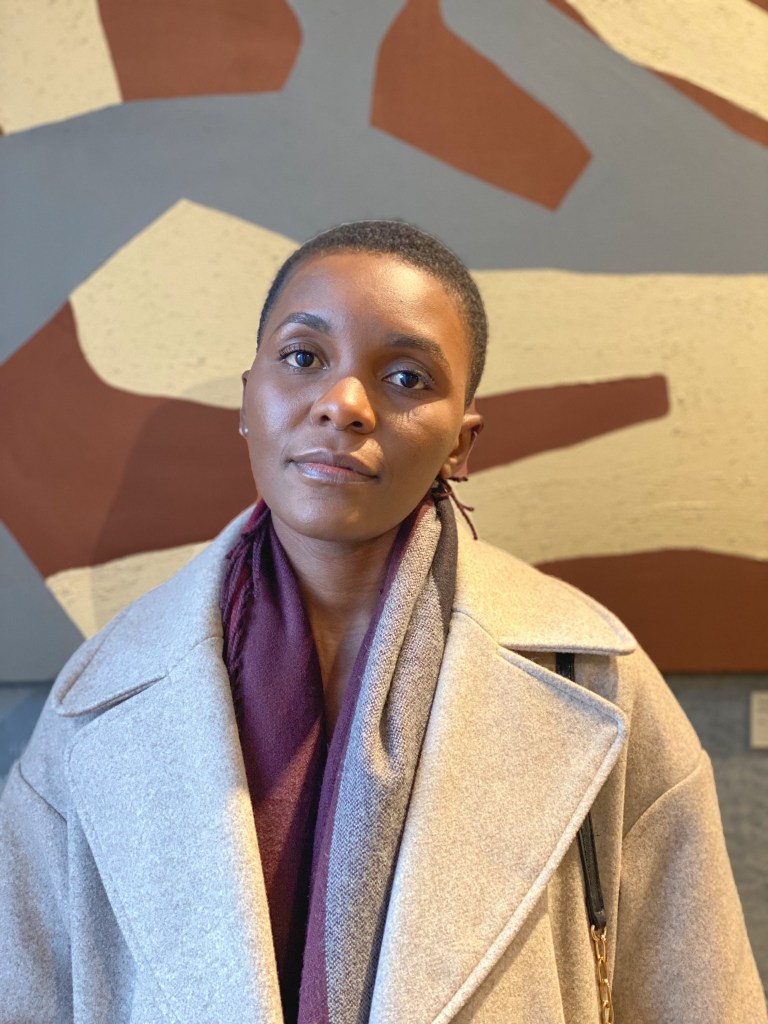
We first speak via video call in the early spring of 2022, I in London and he in Rome – a student of Art History. As we connect over displacement, our humble Limpopo beginnings, and the art our grandmothers created, a fuller human unfurls before me. We have met before: in the peaks and valleys of the Sekhukhune mountains, in the hustle and bustle of Thembisa, in the grief of losing home while creating it elsewhere. The conversation reaches ease and mutual respect sooner than I had expected. His laughter sits in his chest, ebbing and flowing. His smile is broad, with dimpled youth accenting an old soul. I am surprised that though they appeared lofty and self-indulgent at first, his dreams are deeply grounded in his devotion to his family and the soil from which he came. He envisions brick and mortar from stardust, land and sky for an art centre in his hometown.
Born in Kutupu village, Limpopo, he began his illumination above St John’s College grounds where he went to high school on a full scholarship. With the support of a devoted teacher, Giggs was catapulted into a galaxy far beyond his childhood creations of clay figures by the riverside. To date, he is the recipient of an Undiscovered Canvas Residency, Mail and Guardian Top 200 Young South Africans, a Young Masters Art Prize nod, and a scholarship to the John Cabot University in Rome. His constellation of achievements is without end.

We hang up and I am flooded. I finally grasp how empathy is the ability to see the humanity in another, that care and curiosity are always the way in. When we don’t approach from empathy, we miss the person we’ve obscured with our prejudice. Human connection is from a genuine intention to understand, creating a path to mutual interest and collaboration. As we learn about others, we learn about ourselves, we learn what we cannot know without the other.
I am compelled to interrogate why his self-belief had initially jarred me and I find that where I thought I had dug deeply, still lay the roots of racial and social inferiority within me. Giggs embodied a disregard for the stripping humility and subserviency dictated by Apartheid on Blackness. I was envious of someone who’d broken free of the insidious messaging still prevalent in ‘democratic’ South Africa, who’d escaped the idea that Black boys from disadvantaged areas are not worth the pillows they dream on. He framed what it could look like to usurp a system built against you, to carve your own path through community and support, to truly believe that you are the centre of the universe as it expands around you. For the African’s dream to succeed, we must take to levels of self-delusion, to exist as if the boundaries do not.
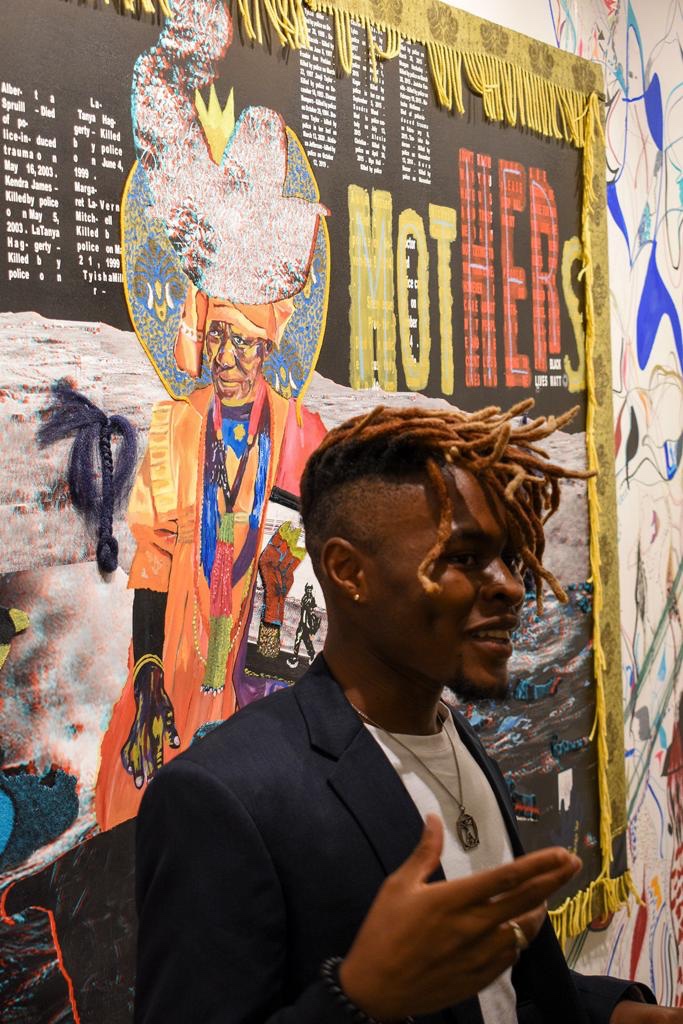
My hope for us is this: That our interactions lead us to the other side of who we can be. That our dreams are fuelled by radical self-belief. That the next time we walk into a room we assume we are the best thing that ever happened to it.
We are an ever-evolving body of experiences and intelligence standing at the edge of a future expanding exactly as we’ve envisioned it.
Selah
 zuni.blog